Indie Expedition (4): Launching as an Indie Author
The Evolution of a Cover - The 4th Entry
By Thio Isobel Moss
When I started designing my book cover, I didn’t do anything revolutionary. I simply researched what was already out there—specifically, how indie authors are navigating the growing conversation around AI-generated book covers.
It turns out, a lot of authors haven’t considered a hybrid approach.
And to be clear—I don’t mean using AI and calling it done.
From Canvas to Code
My cover wasn’t developed through the usual query-and-generate model. I painted an acrylic cover, fully intending it to be the final version. Then I showed it to people. Everyone was polite and supportive, but not excited.
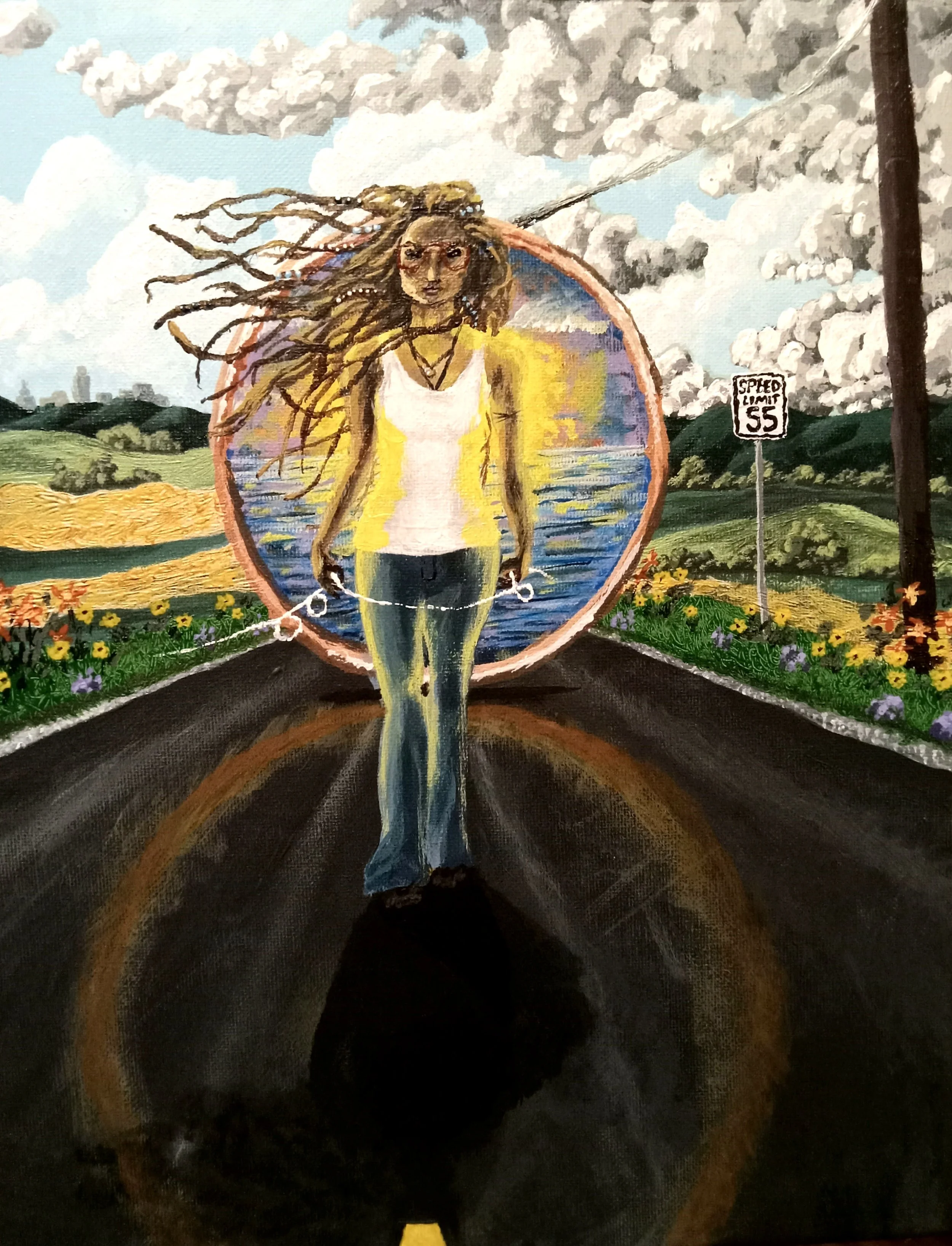
That reaction told me everything I needed to know. I needed a new direction—something with greater market appeal.
Here’s my stance on AI: it’s a tool, not a solution.
I’m not going to wade into the fair use debate—it’s complicated and constantly evolving—but it wasn’t central to my case. Instead, I took a photo of my painting and asked ChatGPT to generate a similar image.
The first two images were rough. The third was almost exactly what I wanted…except it had an orange wash over the whole thing. But it was evocative and moody. I decided it worked…with a little help.

The first AI rendering of Blind Spot’s cover.
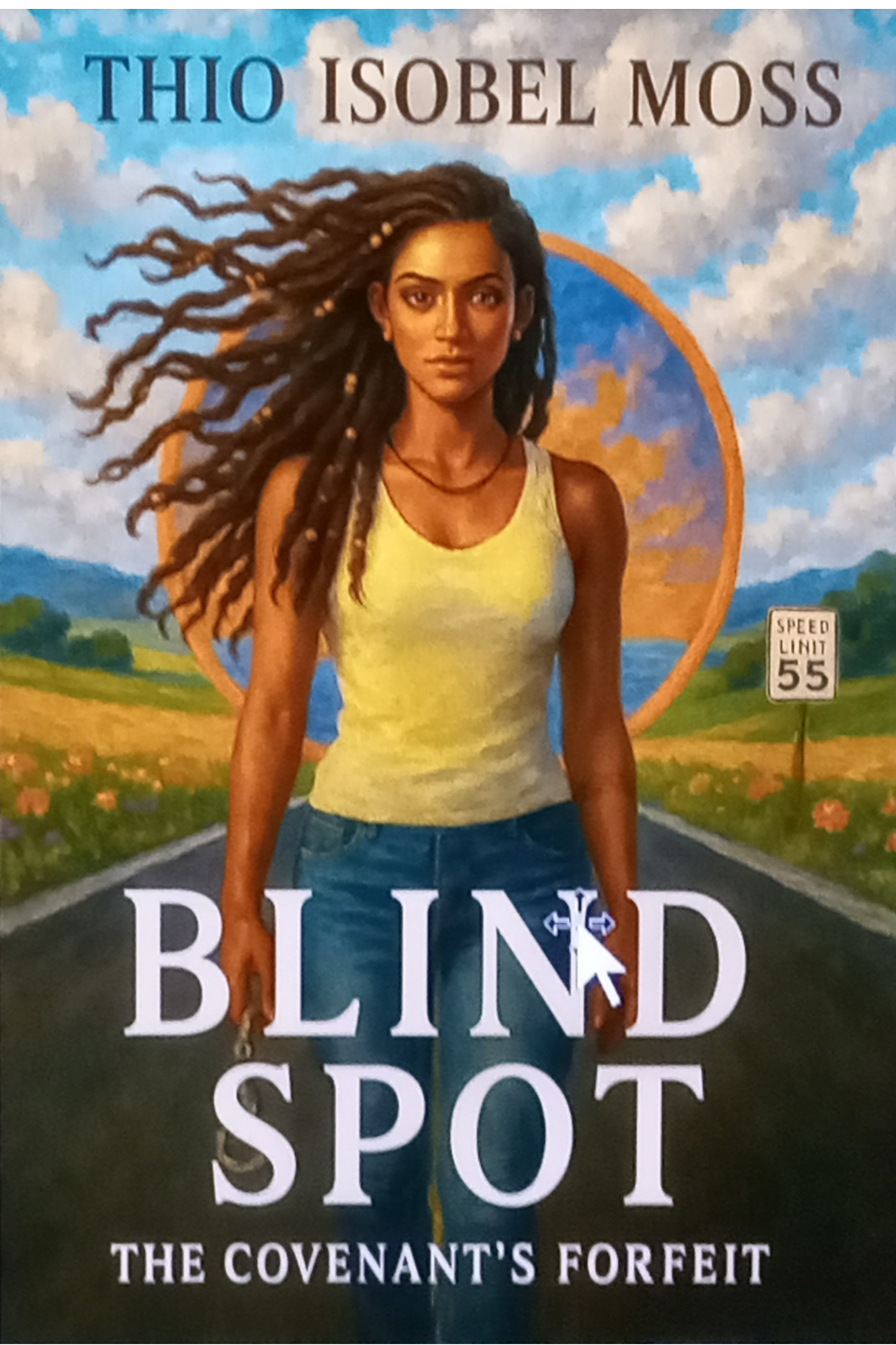
The second attempt.

Here, we were getting somewhere!
The Canva Stage
I brought the image into Canva Pro. I’m by no means a design expert, but it’s been invaluable for me across multiple projects.
The AI version of my painting wasn’t flawless. Objects were misplaced or missing entirely, the color needed correcting, and the portal (a key feature) was all wrong. Still, it was a strong foundation to build from.
Understanding Copyright and AI Art
From what I’ve learned, AI-generated art cannot be copyrighted on its own. However, if you start with your original artwork, create an AI derivative, and then make “substantial and original modifications” to that derivative, you may be able to claim copyright protection.
Ultimately, the U.S. Copyright Office decides whether your modifications are “substantial” enough. The law will likely evolve, but for now, that’s the guidance.
Because I was working on a limited budget, I took this hybrid route. If you can afford it, I highly recommend hiring a professional cover artist—just to avoid potential legal pitfalls.
That said, for indie authors operating on a shoestring, this method is a practical and creative alternative.

A sampling of my cover edits.
What Counts as “Substantial Modifications”?
Here’s what I learned through research and experience:
Editing, arranging, or combining multiple AI images
Selecting and arranging elements that serve your concept
Color correction and re-lighting
Removing, redrawing, or replacing objects
Adding typography and layout design
Incorporating new, original artwork
I did all of the above before calling my design finished—or rather, almost finished.

It needed a mountain inside the portal. And I need to do something about the fly of her pants.
The Honest Truth: Was It Worth It?
If a cover looks AI-generated, some readers will instantly dismiss it. Fair enough—AI is controversial. I thought my design was final, but three weeks before launch, I’m still fine-tuning it because I can tell it came from AI roots.
The upside? Because I began with my own painting and used Canva Pro, I have the flexibility to continue tweaking. I’m not locked into a single version or a designer’s schedule.
Reader Feedback and Reflection
When you post a book on NetGalley, reviewers can rate your cover. Mine has performed reasonably well—though it’s not universally beloved. I suspect some hesitation comes from the AI element, but there are certainly other factors in play.
When my printed proofs arrived, I had a realization:
If I saw this book on a shelf—by another author—I’d stop and look. I would read the blurb on the back.
That told me I’d done something right.
As indie authors, we need to feel confident in our creative choices. I’m about ninety percent there—and tonight, I plan to finish the final tweaks that will get me to one hundred.
This approach won’t work for everyone. Your success depends on your artistic instincts, design skills, consideration of how to signal your genre, and personal taste. But if you’re resourceful and willing to experiment, this process can be both affordable and empowering.
If your budget is tight but your creativity isn’t, consider blending traditional art with AI tools.
Good luck with your covers and may they beautifully illustrate the stories they represent.
