On Flashbacks, Cliffhangers, and Other Jarring Phenomena:
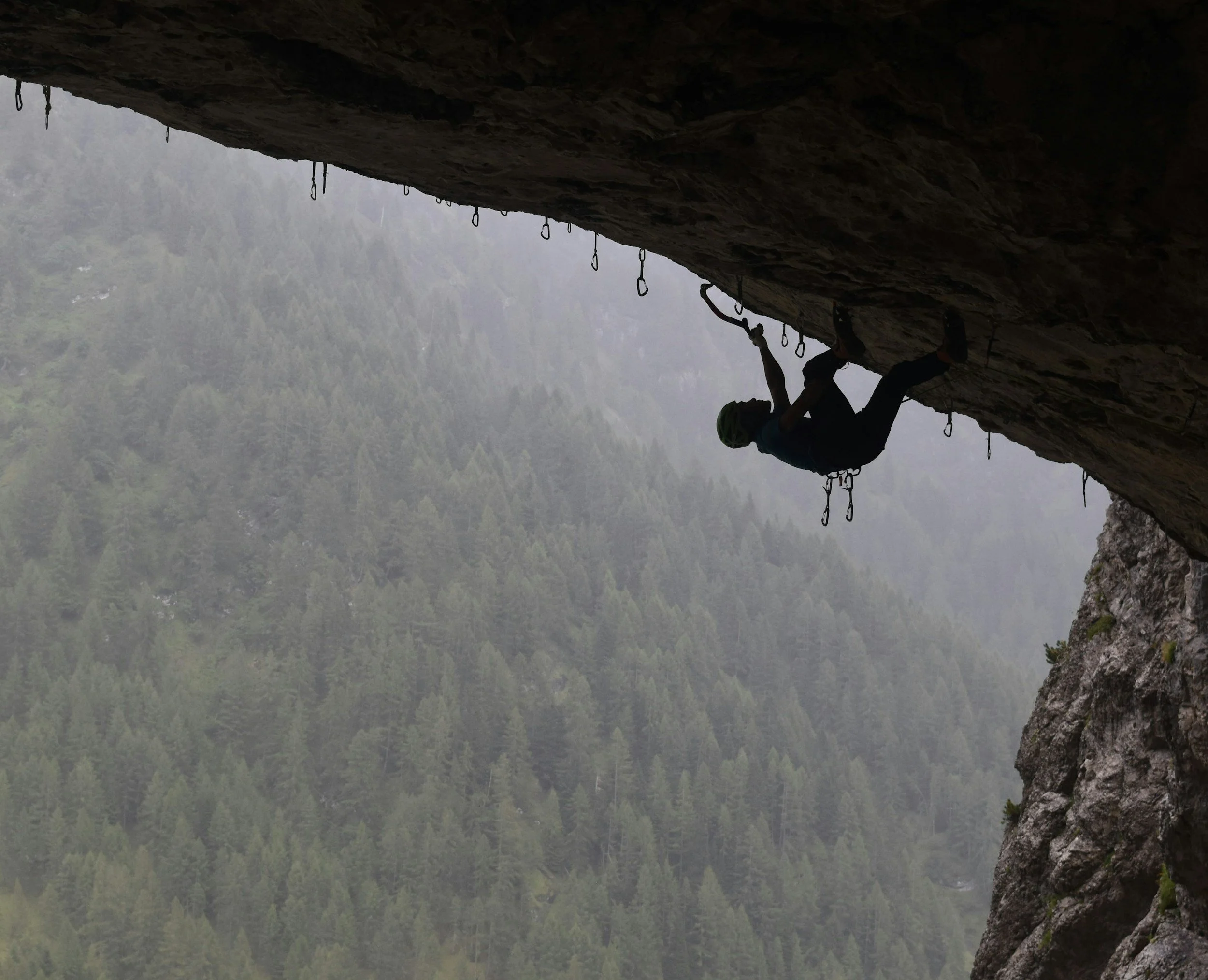
Ta da! A literal cliffhanger.
By Thio Isobel Moss
Have you ever been deep into a book, totally immersed in another world, when — wham! — the text jerks you back to reality, leaving you sputtering with indignation?
It’s not fun. This list is by no means exhaustive, but I’ve found that thing like flashbacks, cliffhangers, exposition dumps, point-of-view head hopping, Deus Ex Machina, uncharacteristic character behavior, sudden tonal changes (i.e., humor or darkness), breaking the 4th wall or authorial intrusions, sudden time jumps, withholding critical information, and inconsistent world rules are frequent culprits.
If you’ve read Blind Spot: The Covenant’s Forfeit, you might notice that I am guilty of several of these. I’ll admit, I took risks. I’m fairly well-versed in literary rules, and I intentionally ignored several of them. In the beginning, in particular, I wanted it to be jarring. The story follows several POVs, and the transitions needed to make an impact — or risk leaving readers confused as to why the main character was suddenly a man and the text had shifted to third person.
Whether my rule-breaking will pay off remains to be seen.
In any case, I’m not rolling out the police tape and saying, “Do not go here.” Each of these devices can be used to great effect, provided that they’re applied with purpose and discretion.
In Ursula K. Le Guin’s A Wizard of Earthsea, flashbacks put a different spin on the current action, highlighting the themes of responsibility and pride. Suzanne Collins and George R. R. Martin use cliffhangers at the end of chapters to spur readers on to the next. In Agatha Christie’s The Murder of Roger Ackroyd a late but critical bit of information makes the reader reinterpret the entire story. Frank Herbert buries the reader in terminology and information right at the start of Dune. The eagle rescue in The Lord of the Rings may be Deus Ex Machina, but it didn’t resolve the main conflict — I mean, a red-eye flight into Mordor wouldn’t, would it?
Trust must be created within a story — in the author, the narrator, the characters, or the circumstances. When used with skill, all of these are fantastic tools to that end. When done poorly, they give a reader whiplash and an opportunity to say, “Enough!”
For my part, half the fun of writing is the challenge of attempting something new, even if it’s only new to me. In Blind Spot, not all the narrators are completely trustworthy. The reader has to decide to take them at their word, assume they have nefarious purposes, or opt out. It’s risky — but rewarding for those who decide to trust their tour guide.
