Book 1 v. Book 2:
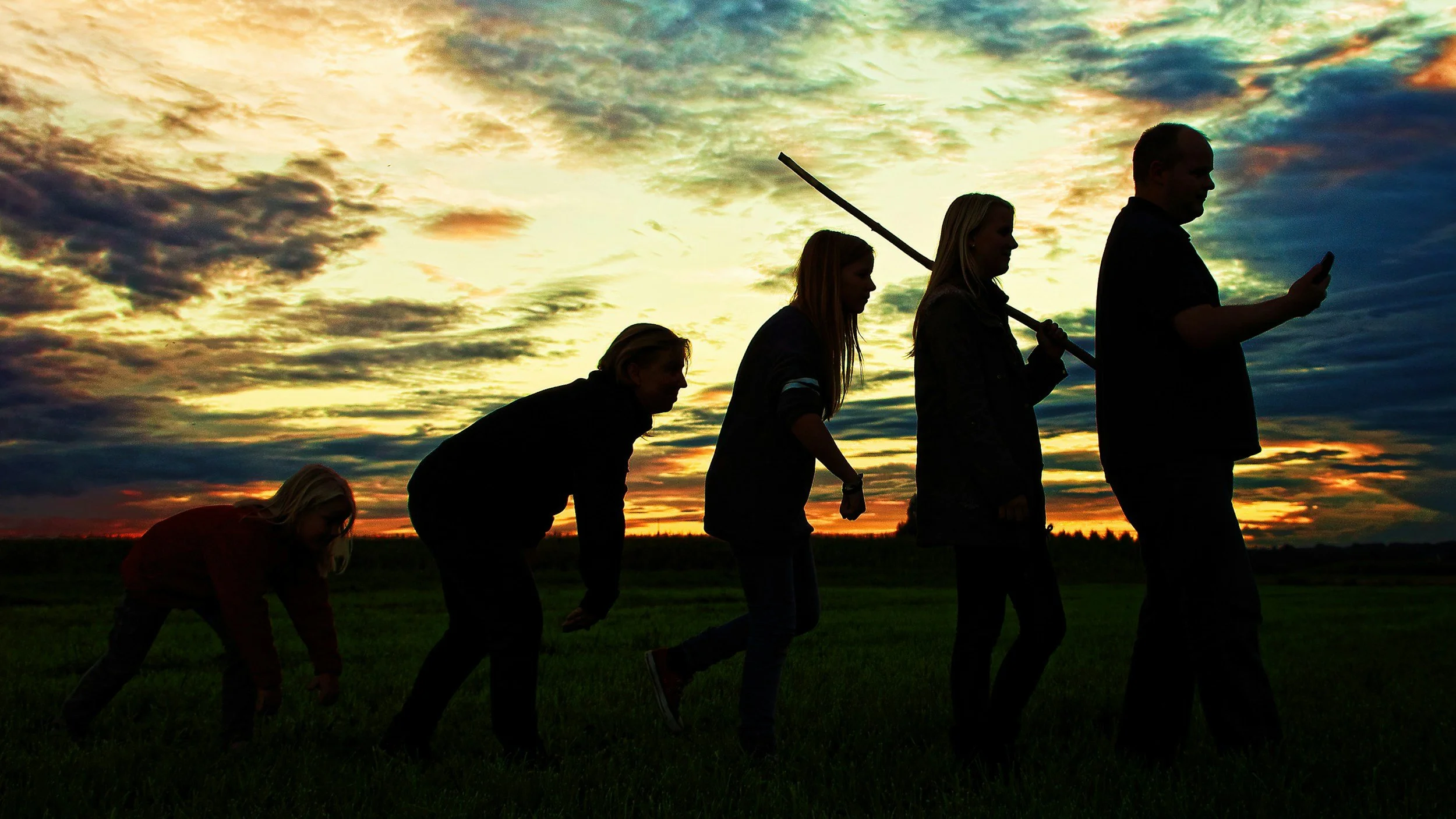
Writing is not a quick or clean process.
How Has My Writing Process Changed?
By Thio isobel Moss
Have you ever started reading a book and thought, “Yikes! These characters feel like half-formed, super-hormonal teenagers with zero PDA filter”?
That was my first draft of Blind Spot, even though I knew I wanted it to be a slow burn. I now have much more sympathy for the author of every book I’ve ever read that had this issue. There is a right way and a wrong way to handle characters who combust around each other. This was unintentional—and so, so wrong.
But no one starts their first book knowing how to write a book. And even after finishing one, an author is really only an expert at writing that book.
After editing the first few chapters where things got out of hand—and then seeing the same issue pop up again—I decided to let it ride. This, I told myself, was what editing was for. I knew going in that there would be multiple rewrites. It took time, but it worked—largely because the farther in I got, the more my characters developed (growing from party kids into fully functioning adults), and the stronger the story structure became. I started writing what the book needed, not just what I wanted.
I’m not a pantser or a plotter, but a plantser who leans pantser. Meaning, I write a synopsis for the first half of the book, then establish a loose outline—one that will change extensively—containing two sentences about what must happen. After that, I usually veer off on some tangent. If the tangent proves useful, I figure out how to keep it and install what still has to happen in a way that makes sense. It’s fun. Slightly chaotic, but fun.
Originally, I edited as I went. Each day, I’d start by rereading what I wrote the night before, polishing and sinking back into that world. Then I’d write one or two chapters—sometimes three, if I’d spent at least twenty minutes the night before brainstorming with a notebook and pen. I don’t know why that made such a difference, but it did. And it had to be a notebook and a pen. Typing didn’t cut it. At the end of the session, I’d reread what I’d written and do a light pass.
Once the rough draft was finished, editing began in earnest. The first pass was just to see what I had. The second focused on polish. I started hunting for overused words, wordy paragraphs I could condense, and areas I could trim. If you think Blind Spot is a chonk, just know it originally had 70,000 more words.
I cut a few chapters entirely, but most of the trimming came from finding better ways to phrase things and eliminating redundancy. I thought I was being poetic and emphatic. Nope—I was just being verbose. After the cuts, it was obvious. I could feel the plot tightening together. It was glorious.
I loathe copy editing. I tend to believe I’m naturally far more gifted at it than I actually am—I’m learning—and I expected to knock it out in a week. That…did not happen. I did the first copy-editing pass myself, going line by line. It wasn’t pretty, but my mistakes were consistent, at least.
Then my dad took over. It got even uglier—but going through corrections with someone you know, trust, and love can be genuinely hilarious. It was one of the best and most memorable experiences of my life.
At that point, I thought we were done and sent the inky beast off to NetGalley. When the first proofs arrived, I reread the book…and immediately found several mistakes. I panicked, fixed them, and moved on—but the NetGalley version never changed. No one ever mentioned the errors, so maybe they weren’t too egregious.
I also had trouble stopping myself from fiddling with the cover. My “fixes” probably weren’t fixes at all, but it is what it is.
So—how has the second go-around changed?
The first half of Bump was written before Blind Spot was released, using the same general patterns, and that worked very well. It’s the same world, and the tone was largely already established. The perspective is different, though, and I looked close to home for inspiration. The setting greatly resembles my neighborhood, minus the theatrics.
There was no dramatic flailing to keep friendly characters from having too much chemistry. Early readers thought the chapters were final drafts, not roughs. When I read it myself, I could tell my writing was worlds better, but we still have a ways to go.
Post-release, something shifted. I stopped rereading the previous day’s work—it was already locked in my head. I’d write a chapter or two, get tired, and stop. Rinse and repeat. I think this change comes from context: I’m writing a blog now, reading and reviewing constantly, budgeting, and making business decisions. My time has more value attached to it than it did before.
Another major difference is that Bump is a third-person narrative and less than half the length of Blind Spot. I’m genuinely uneasy about how short it is. I keep reminding myself that word count is what matters—MS Office pages are not novel pages—but it still feels wrong.
Writer’s block was nonexistent until the third-to-last chapter (which will probably become the fourth or fifth-to-last). Usually, when that happens, it means I made a mistake a few chapters back. This time, it’s the subject matter itself. It’s delicate, and I’d been approaching it wrong. I’d forgotten the personality of this book and tried to twist it to cover some insecurities. Thankfully, it didn’t work.
I’ll be finishing the full draft of this mini-beast this week. Wish me luck.
I expect editing to take three passes instead of the twelve I did on Blind Spot. I don’t have to trim it down, and that makes a huge difference. I’ll still be on the lookout for my patented poetic redundancies—I know what to look for now, and my dad does too. He’ll do at least one pass, probably two. Inevitably, we’ll miss something.
That’s okay. A few years down the line, I’ll reread it, polish it, redesign the cover, and send it back into the wild with a new ISBN.
Because a book is never truly finished.
